Dermage Vitamina C 30

Dermage Vitamina C 30

Cosméticos com vitamina C são verdadeiros queridinhos das dermatologistas. Isso porque esse ativo, também chamado de ácido ascórbico, é um produto com grande ação antioxidante e antienvelhecimento. Estou usando o Improve C 30, a vitamina C em alta concentração da Dermage, há alguns meses. Conheça nesse post minha opinião sobre o produto e recomendações de uso.

Vitamina C em alta concentração

Séruns e cremes com vitamina C atuam suavizando rugas e linhas de expressão, combatendo assim o envelhecimento da pele. Isso porque são capazes de estimular a síntese de colágeno e elastina, proteínas de sustentação dos tecidos celulares.

O ácido ascórbico também promove uma ação de uniformização do tom da pele, aumentando a luminosidade. Além disso, contribui para uma maior hidratação. Tem, ainda, a vantagem de mesmo sendo um ácido, poder ser usado o ano todo, inclusive no verão.

Existem produtos no mercado com várias concentrações de vitamina C na sua fórmula, mas produtos mais concentrados exigem cuidados.

Veja também o post Como disfarçar linhas de expressão ao redor dos olhos .

Improve C30

A Dermage lançou o Improve C30, que apresenta uma formulação inovadora, com vitamina C pura altamente concentrada e estabilizada. Eu comprei e venho usando há alguns meses. Então, fiz esse post para compartilhar minha opinião sobre o produto com vocês.

Vitamina C tópica
LINK.

O que a empresa diz sobre o produto

Segundo a Dermage, o cosmético promove intensas ações antioxidante e anti-idade. Confere, também, luminosidade, redução das rugas e linhas de expressão, além de estímulo de produção de colágeno e hidratação.

O Improve C30 foi feito sob medida para peles que apresentam fotoenvelhecimento acentuado. Foi desenvolvido após intensas pesquisas buscando garantir a estabilização, pois possui 30% de vitamina C pura.

Apresenta estudos de eficácia após 28 dias com excelentes resultados: 80% de melhora nas rugas e linhas de expressão e pele mais hidratada, radiante e uniforme.

Pode ser aplicado uma vez durante o dia, pela manhã ou à noite, ou de acordo com orientação médica. Mas é recomendável usar protetor solar ao longo do dia.

Minha experiência com o Improve C 30

O Improve C 30 é um creme claro, fácil de espalhar sobre a pele e que deixa um aspecto de primer de silicone, mas com leve aspecto oleoso. Essa foi a minha percepção, embora a Dermage informe que o produto tem textura emulgel, ou seja, gel com toque ultrasseco.

Improve C 30 da Dermage

Quanto ao cheiro, que não chega a ser desagradável, é característico de cosméticos com vitamina C e permanece na pele durante o dia. Para mim essa é uma desvantagem dos produtos com esse ativo na fórmula. Já usei outros cremes com vitamina C e observei o mesmo odor residual.

Sobre a alta concentração de vitamina C

Quanto a concentração de 30% de vitamina C desse produto, a mais alta do mercado atualmente, recomenda-se que seja usada apenas por pessoas já habituadas a usar vitamina C em concentrações mais baixas, coisa que eu não fiz.Assim, durante as primeiras 3 vezes em que usei o produto, senti meu rosto pinicar bastante e a minha pele arder .

Já havia usado cosméticos com vitamina C em concentrações menores, mas não estava usando imediatamente antes de começar a usar o Improve C 30. Então, a minha pele não estava preparada para um produto tão concentrado. Por esse motivo, nas primeiras semanas o resultado na minha pele foi o inverso do desejável, com ressecamento e intensificação da aparência do meu melasma.

Dessa forma, se você nunca usou vitamina C na pele, recomendo que não inicie com esse produto. O ideal é começar com cosméticos com uma concentração de ácido ascórbico menor, entre 5 a 10%, e ir aumentando gradualmente.

O Sérum Intensifivo Multiclareador Chronos da Natura (link aqui), por exemplo, que tem 10% de vitamina C na sua fórmula, além de outros ativos. Pode ser uma opção para começar.

Mas após esse período inicial de adaptação ao Improve C, as sensações desagradáveis desapareceram completamente, e minha pele começou a ficar mais viçosa e hidratada.

A recomendação da marca

E também para minimizar a incidência de qualquer tipo de desconforto, a Dermage recomenda que mesmo quem está adaptado a produtos com vitamina C, no caso do Improve C 30, comece durante a primeira semana de uso, a aplicar pequenas quantidades de produto, em dias alternados, para que a pele possa se acostumar.

Improve C30 resenha.

Resumindo, principalmente no caso da vitamina C, nada de quanto mais melhor logo de cara! É preciso começar aos poucos e estar atenta a resposta de cada pele para obter os melhores resultados. Então, confira a seguir o modo de uso do produto.

Modo de uso do Improve C 30

Reproduzi a seguir o modo de uso do produto que consta na embalagem: aplique uma fina camada sobre a pele limpa e seca, evitando a área dos olhos, uma vez ao dia ou conforme orientação médica. Pode ser usado pela manhã ou à noite. Ã‰ recomendável usar um protetor solar durante o dia.

Advertências e precauções

O produto é desaconselhável para pessoas sensíveis a algum componente da fórmula.

Não aplique nas pálpebras, nos cantos externos do nariz e da boca e na pele lesionada ou irritada. Evite a exposição solar durante o uso do produto. Assim, não abra mão do protetor solar diariamente.

Quando em contato com o ar, a vitamina C pura pode tornar-se amarelada, indicando sua atividade antioxidante. Segundo a Dermage, este fenômeno não altera em nada a eficácia do produto.

Mas, de qualquer forma, eu recomendo que após aberto você procure usar seus cosméticos com vitamina C até o final. Isso evita o risco de ficarem oxidados e perderem suas propriedades.

Para saber a composição do produto veja a imagem abaixo:

Dermage C 30

Eu comprei o meu nesse site aqui, mas também compro aqui dependendo do preço.

Você já usou produtos com vitamina C? Qual a sua impressão? Já usou o Improve C 30?

Para mais dicas de cuidados com a pele clique aqui.

Dermage Vitamina C 30

Source: https://www.almanaquedamulher.com/cat-beleza/improve-c-30/

Share:

Vitamin C Candy For Kids

Vitamin C Candy For Kids

Our editors independently research, test, and recommend the best products, and articles are reviewed by healthcare professionals for medical accuracy. You can learn more about our review process here. We may receive commissions on purchases made from our chosen links.

Verywell / Sabrina Jiang

According to the American Academy of Pediatrics, healthy children who eat a well-balanced diet do not generally need vitamin supplementation, except vitamin D in infants and young children if they are not meeting the recommended daily value through food beverages. However, many parents choose to give their children a multivitamin and mineral supplement to ensure they're meeting their nutritional needs, improving overall health, and decreasing the risk of disease.

Whether your child is a picky eater or you think they may benefit from an added nutrition boost, it's best to consult with your child's pediatrician before starting a supplementation routine. Vegetarian or vegan kids who have a malabsorptive condition, or have extremely picky habits may require supplementation. There are tons of top-quality multivitamin and mineral supplements on the market to suit your family's needs. It's important to ensure you're looking at the correct dosage for your child's age and investing in a quality product.

Here, the best children's vitamins.

Our Top Picks

Free of artificial sweeteners, this pick includes a mix of nutrients—and is especially ideal if your child's not used to tablets.

Affordable and a solid choice if your little one is gluten or dairy intolerant, the gummy features vitamins A, B12, B6, and more.

Yummy for kids, and convenient for parents, it's formulated with picky eaters in mind so they can still get the needed nutrients.

The tablet is smaller than average for easy ingesting and made from fresh, whole foods so your kiddo isn't overindulging on sugar.

A solid pick if your child has a lot of sensitivities, the vegan multivitamin features only real fruit and no added sugar.

If you're targeting iron for your children, this chewable contains 28% of the daily recommended value along with vitamin A and C.

Get a headstart on adding vitamins to your tot's routine with this multivitamin, which is free of additives and allergy-friendly.

The 2-in-1 gummy is both a multivitamin and probiotic, and you can rest assured knowing that it's third-party tested.

SmartyPants Kids Complete Daily Gummy Vitamins

Pros

  • Comes in various flavors

  • Doesn't contain artificial sweeteners

  • Can be taken with or without food

For a super tasty, vitamin-packed gummy multivitamin, SmartyPants Kids Complete Vitamins are the way to go. They contain a wide variety of important nutrients, including omega-3s, vitamin D3, and vitamin B12, and kids want to take them because they taste great. They come in three flavors—lemon, orange, and strawberry-banana—and while they do contain sugar, many parents prefer that to artificial sweeteners or high fructose corn syrup.

Designed for children age 4 and older, the recommended dose is four gummies per day.

Quantity: 120 count | Daily Dosage: 4 gummies | Type: Gummies | Age Rec: 4 years old and up

Lil Critters Gummy Vites Daily Multivitamin

Pros

  • Comes in various flavors

  • Doesn't contain artificial sweeteners

  • Gluten- and dairy-free

Cons

  • Not completely allergy-friendly

If you're looking for a children's multivitamin that won't break the bank, these Gummy Vites from L'il Critters are an excellent option. Recommended for children ages two and up, they contain a healthy mix of important vitamins, including vitamins A, B12, B6, C, D, and E.

The fun bear-shaped vitamins come in yummy flavors such as blueberry, orange, and cherry, but they contain no artificial flavors or sweeteners. Unlike other affordable products on the market, they're free of synthetic food dyes and high fructose corn syrup, so you can be confident that you're giving your child a great product, even if it's lower in price.

Plus, the gummies are free of gluten and dairy, so they're safe for most children. Note that the gummies do contain coconut, so they are not suitable for most children with tree nut allergies.

Quantity: 190 count | Daily Dosage: 1 gummy for 2-3 year olds | Type: Gummies | Age Rec: 2 years old and up

Ritual Essential for Kids

Pros

  • Sugar-free

  • Non-GMO

  • Doesn't contain artificial colorants

Cons

  • Doesn't come in various flavors

If you're looking for a great multivitamin for kids that's super convenient for parents, Ritual's Essential for Kids 4+ is an excellent option. The subscription-based gummy multivitamin is formulated with picky eaters in mind to ensure that even the most particular kids get all the nutrients they need. In addition to essential vitamins and minerals, each multivitamin gummy contains 50 milligrams of high-quality omega-3 DHA for optimal brain health and 3 grams of fiber to boost digestion.

If you're concerned about your child's sugar intake, these sugar-free gummies are sweetened with monk fruit, a plant-based sweetener that's less sweet than other non-nutritive sweeteners. The incredibly convenient multi is delivered to your door monthly, so you don't have to worry about buying a new bottle. Suitable for kids and adults ages 4 and up, the gummies are also Non-GMO and free of artificial colorants and synthetic fillers.

Quantity: 90 count | Daily Dosage: 3 gummies | Type: Gummies | Age Rec: 4 years old and up

MegaFood Kids One Daily Multivitamin

Pros

  • Easy to swallow

  • Doesn't contain artificial sweeteners

  • Can be taken with or without food

Cons

  • Contains less nutrients compared to other options

If you're on the hunt for a comprehensive whole-food based multivitamin and mineral supplement, Megafood Kid's One Daily is perfect for kids ages 5 and up. Each easy-to-swallow mini-tablet contains a variety of important nutrients such as vitamin D3, B12, and B6.

Made from a variety of fresh, raw whole foods, the tablets are free of sweeteners, flavorings, and food colorings. These pure, vegetarian supplements are ideal for parents who are looking to boost the overall nutrition of their child's vegan or vegetarian diet without a ton of extra sugar and ingredients.

As always, it's important to check out the nutrition label to ensure that a supplement is providing adequate nutrition for your child. Note that this vitamin and mineral supplement provides a wide variety of superior-quality nutrients but tends to contain lower amounts of each nutrient than comparable products.

Quantity: 60 count | Daily Dosage: 1 tablet | Type: Tablet | Age Rec: 5 years old and up

Llama Naturals Plant-Based Multivitamin

Pros

  • Doesn't contain artificial sweeteners

  • Organic

  • Comes in various flavors

Cons

  • Must be taken with food

Vitamin D for kids is a critical nutrient to support their bone and immune health. While children can get vitamin D through exposure to sunshine, fortified milk or formula, and a diet rich in fatty fish and eggs, a supplement may boost their intake. According to the American Academy of Pediatrics, infants under 12 months require 400 IU of vitamin D per day, while older children and adolescents require at least 600 IU per day.

Llama Naturals Plant-Based Vitamin Bites provide 800 IU of vitamin D2 and D3 in each serving, among other key nutrients such as vitamins A and C. Formulated for children ages 4 and up, the certified organic chews are made with real fruit and no added sugar or sweeteners. The top-quality supplements contain 13 essential nutrients from whole food plants, with no synthetic vitamins, animal-based ingredients, or common allergens.

Quantity: 60 count | Daily Dosage: 2 fruit bites | Type: Gummies | Age Rec: 4 years old and up

What to Avoid

It's best to avoid vitamins that contain artificial sweeteners, colors, and flavors. Avoid products with high fructose corn syrup and excessive amounts of sugar.

Bluebonnet Rainforest Animalz Multiple Chewable

Pros

  • Comes in various flavors

  • Gluten- and dairy-free

  • Allergy-friendly

Cons

  • Must be taken with food

Iron is a key nutrient for growing kids, but not all multivitamins include the important nutrient. Bluebonnet's Rainforest Animalz Multiple Complete Daily Whole Food-Based Chewables contain 28% of the daily recommended value of iron in one serving. Iron is found in various foods, such as fortified breads and cereal, beans, and meat, but some kids need an extra boost.

The nutritious, whole food-based vitamin and mineral supplement also contains over 100% of the recommended daily value for vitamin C, which is known to boost iron absorption and promote immune health.

The animal-shaped cherry-, grape-, and orange-flavored tablets are sweetened with EarthSweet, a mixture of juice concentrates and cane sugar. The vitamins and minerals are derived from fruits and vegetables, so your children get the nutrients they need without any questionable ingredients. The whole-food multivitamin bridges potential nutritional gaps, including vitamin A for eye health and B-complex for energy.

Quantity: 180 count | Daily Dosage: 2 chewables | Type: Chewable | Age Rec: 3 years old and up

Zarbee's Toddler Multivitamin

Pros

  • Easy to chew

  • Doesn't contain artificial sweeteners

  • Allergy-friendly

Finding a children's multivitamin that's easy to take and suitable for toddlers can be a challenge. Zarbee's Naturals Toddler Multivitamin contains 13 essential vitamins and minerals, 11 of which are vitamins, including vitamins A, C, D3, and B-complex. This multi is formulated especially for children ages 2 to 4.

The great-tasting gummy vitamins are made with fruit pectin instead of gelatin, making them easier to chew and 100 percent vegetarian. They're lightly sweetened with honey and are free of unwanted additives like high fructose corn syrup, artificial sweeteners, and artificial flavors.

No need to worry if your child has allergies. These gummies are super allergy-friendly and are manufactured in a facility without wheat, milk, egg, tree nuts, peanuts, and shellfish. If you're looking for a multivitamin for older kids, Zarbee's also carries various children's gummy supplements.

Quantity: 110 count | Daily Dosage: 2 gummies | Type: Gummies | Age Rec: 2-3 years old

Olly Kids Multi + Probiotic

Pros

  • Doesn't contain artificial sweeteners

  • Gluten-free

  • NSF-certified

  • Can be taken with or without food

For a complete multivitamin that also packs in the power of a probiotic, try these gummies from Olly. Olly's Kids Multi + Probiotic gummies contain 12 vitamins and minerals, including A, C, and B12, as well as 250 million CFU of Bacillus coagulans probiotics for good digestive health.

Recommended for children age two and up, the great-tasting gummies are free of gluten and artificial colors and flavors. They're also NSF-Certified, meaning the supplement has been third-party tested and meets strict standards.

Quantity: 70 count | Daily Dosage: 1 gummy | Type: Gummies | Age Rec: 2-3 years old

Final Verdict

For an excellent overall children's multivitamin that's easy to chew, try SmartyPants Kids Formula (view at Amazon). Though it contains sugar, it's sustainably sourced and free of artificial sweeteners, high fructose corn syrup, and common allergens. And available in multiple fruity flavors, it'll make your little one forget that they're taking a supplement.

Madelyn Goodnight / Verywell

What to Look for in a Children's Multivitamin and Mineral Supplement

Vitamins & Minerals

Most children can get adequate nutrients from a balanced diet; however, a supplement may boost their intake of specific areas of concern. Take a look at the supplement facts label to see what is (or isn't) in your child's vitamin. Vitamin D helps to boost immunity and bone health. Calcium is important for bone-building and is particularly important during puberty. Iron is important, especially for menstruating preteens and adolescents, while vegan and vegetarian children may benefit from supplementation of iron, zinc, and B12.

Dose

Consider your child's age when selecting a supplement for them, as some products are formulated for toddlers, while others are for older children and teens. Look for products with around 100% daily value of vitamins and minerals, as more is not always better. Follow the age guidelines outlined on the product packaging and speak with your child's healthcare provider to ensure that the product and dosage are appropriate for your child's needs.

Quality

Choose a product made from high-quality ingredients. When possible, select a product that is USDA Organic or Non-GMO Project Certified. If you want to ensure that you're giving your child the highest quality product that contains what the label claims, choose a supplement that is third-party tested and highly rated by an organization or company such as NSF or ConsumerLabs.

Ingredients

Always take a look at the ingredient list of your child's supplement so you know exactly what is in the vitamin and mineral supplement. Many gummy vitamins have added sugar, so you may want to consider what kind of sugar is used (honey, cane sugar, etc.). Avoid products with high fructose corn syrup, artificial sweeteners, artificial colors, and artificial flavors.

Form

Vitamin and mineral supplements come in various forms, including chewable tablets, gummies, liquid, and powder. If your child doesn't like to chew supplements, consider purchasing a liquid or powder product. Chewable tablets and gummies may be more appropriate for older children.

FAQs

Can adults take children's vitamins?

There is no reason why an adult cannot take a child's multivitamin; however, they may be insufficient in certain vitamins and minerals as the product was designed for a younger population. For example, a pediatric multivitamin may only have 400 IU of Vitamin D whereas an adult requires 600 IU per day.

What nutrients are good for children's immune systems? Are these included in typical children's multivitamins?

So many nutrients play key roles in boosting our children's immune system. Typically, Vitamin C, Zinc, and Calcium are the first ones to look for, and many children's multivitamins do include these three. With that in mind, immune-boosting nutrients include Omega-3 fatty acids, magnesium, nearly all B vitamins, and iron. Iron is a tricky nutrient which not all multivitamins include. Iron is known to inhibit the absorption of other nutrients, specifically calcium. If your child requires additional iron or calcium, be sure that you provide these nutrients separately.

Do children's vitamins work?

Yes, children's multivitamins provide both vitamins and minerals effectively. However, they are not a substitute for maintaining a healthy and well-balanced diet.

What Experts Say

"Children's multivitamins are not all created equal. Most healthy, developing children don't need supplements unless they have a restrictive diet limiting one or more food groups. It's ideal to speak with your pediatrician or a registered dietitian to figure out if your child is deficient in anything so that you can choose a formulation that supplements the missing nutrients. For example, many standard children's multivitamins don't contain any iron or sufficient amounts of calcium, which may be more commonly deficient in children's diet compared to other nutrients, like vitamin C."—Nicole Silber, RD

Why Trust Verywell Family

A personal note on my recommendations written above. As a dietitian, I am careful to recommend supplements, especially for children. I spent time reviewing the most current research on vitamin and mineral supplementation for children, and I looked at multiple brands and products. As a mom, I understand how parents want to keep their children as healthy as possible with the highest quality products. I believe the supplements in the round-up are made by trusted brands that are devoted to product purity and are composed of high-quality ingredients. —Eliza Savage, MS, RD, CDN

Lauren Cohen, MS, RD, LDN contributed to the FAQs.

Vitamin C Candy For Kids

Source: https://www.verywellfamily.com/best-childrens-vitamins-4586789

Share:

Do Nuts Have Vitamin C

Do Nuts Have Vitamin C

About Nuts and Vitamin C

Most nuts are fairly low in Vitamin C, but some contain more than others.

Some of the highest Vitamin C nuts include hazelnut, coconut, pistachio, coconut cream, chia seeds, walnut, pecan, pine nut, flaxseeds and hemp seeds. Other Vitamin C rich nuts are cashews and pumpkin seeds.

We calculated the top nuts for Vitamin C by both their common measurement as well as in 200 calories, including by gender daily requirements. Here are the details for top 12 nuts highest in Vitamin C.


Food nutritional data is sourced from USDA and NIH. [3] [4]

Adult Female DV Adult Male DV

Hazelnut

image of hazelnut

In 1 cup, hazelnut has 8.6mg of vitamin c, or about 11% of daily values for women and 10% for men.

Vitamin C
8.6mg in
1 cup (226.8g)
1.2mg in
200 Calories (31g)

11%

10%

2%

1%


Coconut

image of coconut

1 cup of coconut contains 2.6mg of vitamin c, or about 4% of daily values for women and 3% for men.

Vitamin C
2.6mg in
1 cup (80g)
1.9mg in
200 Calories (56g)

4%

3%

2%

2%

Complete nutrition for Coconut


Pistachio

image of pistachio

In 1 cup, pistachio has 3.7mg of vitamin c, or about 5% of daily values for women and 4% for men.

Vitamin C
3.7mg in
1 cup (123g)
1mg in
200 Calories (35g)

5%

4%

1%

1%


Coconut Cream

image of coconut cream

1 cup of coconut cream contains 6.7mg of vitamin c, or about 9% of daily values for women and 7% for men.

Vitamin C
6.7mg in
1 cup (240g)
1.7mg in
200 Calories (61g)

9%

7%

2%

2%


Chia Seeds (dried)

image of chia seeds

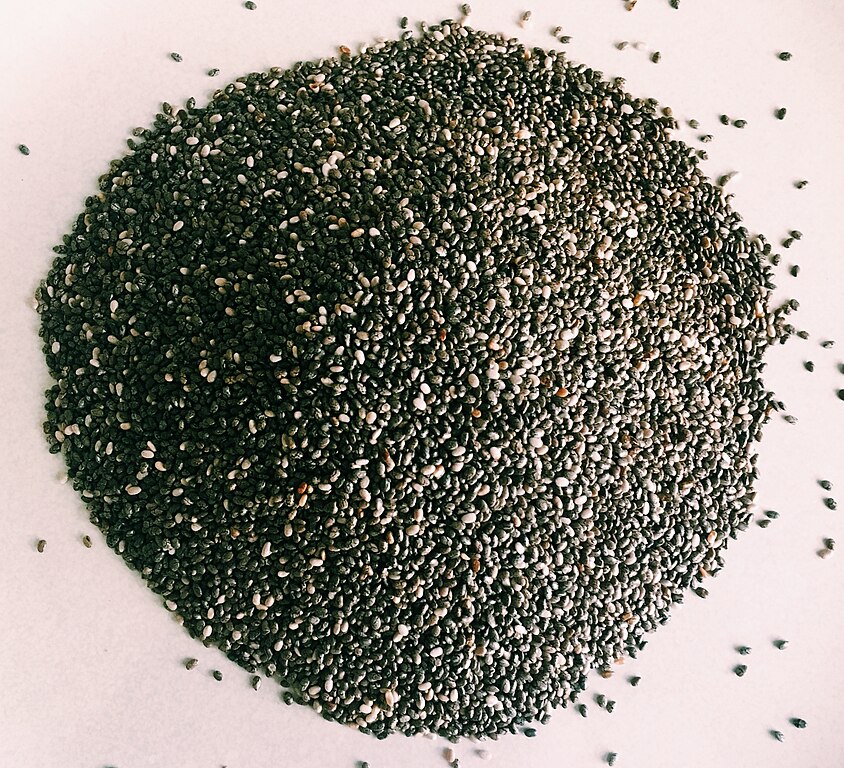
In 1 ounce, chia seed has 0.45mg of vitamin c, or about 1% for adults.

Vitamin C
0.45mg in
1 ounce (28.35g)
0.66mg in
200 Calories (41g)

1%

1%

1%

1%


Walnut

image of walnut

1 cup of walnut contains 1.5mg of vitamin c, or about 2% for adults.

Vitamin C
1.5mg in
1 cup (117g)
0.4mg in
200 Calories (31g)

2%

2%

1%

0%

Complete nutrition for Walnut


Pecan

image of pecan

In 1 cup, pecan has 1.2mg of vitamin c, or about 2% of daily values for women and 1% for men.

Vitamin C
1.2mg in
1 cup (109g)
0.32mg in
200 Calories (29g)

2%

1%

0%

0%

Complete nutrition for Pecan


Pine Nut (dried)

image of pine nut

1 cup of pine nut contains 1.1mg of vitamin c, or about 1% for adults.

Vitamin C
1.1mg in
1 cup (135g)
0.24mg in
200 Calories (30g)

1%

1%

0%

0%


Flaxseeds

image of flaxseeds

In 1 cup, flaxseed has 1mg of vitamin c, or about 1% for adults.

Vitamin C
1mg in
1 cup (168g)
0.22mg in
200 Calories (37g)

1%

1%

0%

0%


Hemp Seeds

image of hemp seeds

1 cup of hemp seed contains 0.8mg of vitamin c, or about 1% for adults.

Vitamin C
0.8mg in
1 cup (160g)
0.18mg in
200 Calories (36g)

1%

1%

0%

0%


Cashews

image of cashews

In 1 ounce, cashew has 0.14mg of vitamin c, or about 0% for adults.

Vitamin C
0.14mg in
1 ounce (28.35g)
0.18mg in
200 Calories (36g)

0%

0%

0%

0%

Complete nutrition for Cashews


Pumpkin Seeds

image of pumpkin seeds

1 cup of pumpkin seed contains 0.19mg of vitamin c, or about 0% for adults.

Vitamin C
0.19mg in
1 cup (64g)
0.13mg in
200 Calories (45g)

0%

0%

0%

0%


Do Nuts Have Vitamin C

Source: https://www.soupersage.com/food-groups-nutrition/nuts-high-in-vitamin-c

Share:

Naturopathica Vitamin C

Naturopathica Vitamin C

A Guide to Vitamin C Serums

leonori/Shutterstock

For 70 years Vitamin C has been one of the biggest weapons in the skin care industry. It's used to make cleansers, moisturizers, lotions, masks, and serums. So what is this powerful vitamin? How can it benefit you? Why should you use serums that contain Vitamin C? We're here to answer all of those burning questions in this complete guide and reveal the many benefits Vitamin C serums offer for your skin.

What Are Vitamin C Serums?

There are many variations of Vitamin C, but the most popular is ascorbic acid, a common ingredient in skincare products. However, all the variations of Vitamin C have anti-inflammatory benefits.

Vitamin C Serums are products that contain a high level of Vitamin C. They're used to treat wrinkles, sagging skin, lighten dark or red spots, prevent breakouts and even your skin tone. Basically, they battle all of those annoying skin issues. There are loads of products out there that claim they'll save your skin, but some can cause damage. Vitamin C is one of the most revered ingredients and conclusive research has shown how effective it can be.

How Are Vitamin C Serums Made?

Well so far we've talked about how incredible Vitamin C is and it sounds like a dream come true doesn't it? It's not all good. In fact, the mighty vitamin is unstable when it's exposed to air and light. Other ingredients need to be used to stabilize it and allow it to deliver amazing results. The serums are combined with ferulic acid and Vitamin E. According to researchers the perfect mixture is 15% Vitamin C with 1% Vitamin E and 0.5% ferulic acid. This makes Vitamin C perform to the best of its abilities, without damaging your skin.

What Does Vitamin C Serum Do for Your Face?

Boosts Collagen Production: Collagen keeps your skin firm and prevents sagging. Environmental factors such as lifestyle choices and pollution can increase the elasticity of your skin, so it's important you try to increase your collagen production.

Hydrates Your Skin: Dry skin is a common issue, but Vitamin C can help to give your skin that much-needed moisture boost. Remember, it doesn't work immediately so you need to keep applying the serum to see results.

Brightens Your Complexion: Dark spots on your skin are caused by the overproduction of melanin. Vitamin C decreases the production and lightens the dark spots to even out your complexion.

Reduces Redness and Inflammation: Conditions such as Rosacea leave many people searching for a magic cure. Vitamin C helps facial redness and inflammation by reducing the appearance of broken capillaries.

Why Should You Be Using Vitamin C Serum?

Don't think Vitamin C serums are just beneficial for your face. They can also shield you from sun damage and reduce stretch marks.

Saves You From The Sun: Prolonged exposure to UV rays can cause long-term damage to your skin. Luckily, Vitamin C is a powerful antioxidant that reduces red sports and prevents sunburn from spreading.

Fades Acne Scars: Acne plagues most of us at some point and we look forward to being free. Most of us get stuck with some scars but Vitamin C helps to fade scars and even out any discoloration.

Reduces Stretch Marks: Yes, Vitamin C serum can even help prevent those unsightly stretch marks by tightening your skin.

Are you ready to change your skin? Add a Vitamin C serum to your beauty regimen and enjoy a glowing complexion.

Naturopathica Vitamin C

Source: https://www.bloglines.com/article/a-guide-to-vitamin-c-serums?utm_content=params%3Ao%3D740010%26ad%3DdirN%26qo%3DserpIndex

Share:

Nature Made Vitamin C Chewable Tablets 500mg

Nature Made Vitamin C Chewable Tablets 500mg

Supports Immune Health Supports Immune Health

Sourced from high quality ingredients Sourced from high quality ingredients

Can be found in citrus fruits Can be found in citrus fruits

What this Supplement is

Chew, chew, choose Nature Made® Chewable Vitamin C. It plays a vital role in immune system health by working closely with other antioxidants in the body to neutralize free radicals.†

Chewable Vitamin C 500 mg Tablets Supplement Facts

What's in our Chewable Vitamin C 500 mg Tablets

Ingredients

Amount per Unit: 500 mg

  • No Color Added
  • No Artificial Flavors

What dietary shortfalls does this product address?

What dietary shortfalls does this product address?

Vitamin C is a shortfall nutrient. Almost 1/2 of U.S. adults don't get enough vitamin C from their daily food intake.

Where do we normally get this product from?

Where do we normally get this product from?

Citrus, baby! Vitamin C is found in citrus fruits like oranges, lemons, grapefruit and limes. It's also found in tomatoes and strawberries.

Who might need to take this product?

Who might need to take this product?

Easy. Anyone looking to supplement their diet, especially if it is low in fruits and vegetables.

Product Dosage and Sugessted Use

Suggested Use: Adults, chew 1 tablet daily with a meal.

Interactions

No two people are alike, so if you are taking medications you should be aware that potential drug-nutrient interactions may occur. Consult a healthcare professional before using this product. Combining certain prescription drugs and dietary supplements can lead to:

  • Diminished drug effectiveness
  • Reduced supplement effectiveness
  • Impaired drug and/or supplement absorption

Caution Image Use caution:

If you are taking medication, consult your physician before use. This product should be used with caution when combined with: Anticoagulant drugs like warfarin and Coumadin Statin medications like cholesterol lowering drugs

Questions? We've got answers.

What does vitamin C help with?

As an antioxidant, vitamin C helps neutralize free radicals in the body.† Vitamin C also plays an integral part in the synthesis of collagen, which helps support healthy skin.†

How much vitamin C should I take daily?

Supplemental vitamin C of 200 mg/day or higher is recommended to help support the immune system.† For best absorption, take vitamin C in smaller, more frequent doses.

What are some dietary sources of vitamin C?

Vitamin C is found in citrus fruits, primarily oranges, lemons, grapefruit and limes to name a few. It is also found in tomatoes and strawberries.

Where does Nature Made source its vitamin C?

Nature Made Vitamin C is sourced predominantly from ascorbic acid or sodium ascorbate. Please refer to the product label for source information.

When does this product expire?

Please refer to the expiration date on the bottle.

Nature Made Vitamin C Chewable Tablets 500mg

Source: https://www.naturemade.com/products/chewable-vitamin-c-500-mg

Share:

Vitamin C Chewable Tablets 500 Mg

Vitamin C Chewable Tablets 500 Mg

Everything You Need to Know About Vitamin C

Medically Reviewed by Madeline Hubbard, RN, BSN.

Photo Courtesy: Flashpop/DigitalVision//Getty Images

Whether in the form of a fizzy drink or flavored lozenges, cold and flu preventative supplements almost always highlight vitamin C as one of their key ingredients. So, what's so magical about vitamin C? Also known as ascorbic acid, vitamin C is critical to living healthily. Since the human body cannot spontaneously generate this nutrient, vitamin C must instead be absorbed from outside sources, such as vitamin supplements or foods that are naturally rich in it.

What Does Vitamin C Do?

Commonly found in cold and flu preventative supplements, vitamin C strengthens and speeds up immune system functionality. Though research does not indicate that vitamin C intake alone can prevent the onset of cold or flu, adequate daily intake may shorten the duration of an infection or lessen the severity of symptoms.

Photo Courtesy: Catherine Falls Commercial/Moment/Getty Images

Vitamin C is crucial for the maintenance of well being. For example, it plays a role in wound healing and helps maintain many essential body tissues. It also acts as a potent antioxidant and can repair damage from free radicals, which are linked to aging effects, and disease vulnerability. Additionally, vitamin C can also prevent anemia, since it helps the body increase absorption of dietary iron, another vital mineral that the body cannot spontaneously create.

Foods that contain high concentrations of vitamin C have been linked with a lower risk of cardiovascular disease, like heart attack and stroke. Vitamin C can also increase levels of nitric oxide, a compound that widens blood vessels and, in turn, lowers blood pressure. In addition, regular intake of vitamin C, along with other vitamins, has been linked to a decreased risk for developing age-related cataracts, a leading cause of visual impairment in the United States.

Common Sources of Vitamin C

Vitamin C can be easily obtained through the many different foods, including:

Photo Courtesy: Akaradech Pramoonsin/Moment/Getty Images

  • Citrus fruits and juices (orange, grapefruit, lemon, lime and tangerine)
  • Berries
  • Melons
  • Mangoes
  • Kiwi
  • Tomato
  • Broccoli
  • Red peppers
  • Spinach
  • Squash
  • Potatoes

Cooking these foods may result in the loss of some of the vitamin content, so it is ideal to ingest them raw, either whole or juiced. Nowadays, there are also numerous packaged food products, like cereals, that have been enriched and fortified with vitamin C, so that the nutrient can be easily obtained.

Vitamin C may also be labeled as "L-ascorbic acid" in supplement form, and most over-the-counter multivitamins contain the recommended daily amount of the vitamin. While it is a good source when an individual is in need of a vitamin C boost, supplements are not meant to replace a diet rich in naturally derived vitamin C.

What Happens When You Have Too Much — or Too Little — Vitamin C?

Vitamin C is a water-soluble vitamin that can be easily flushed out of the body via urination when it is not needed. Therefore, if the main source of vitamin C is from naturally occurring foods, it is near-impossible for excess vitamin C to produce side effects. However, taking excessive concentrated vitamin C supplements may lead to diarrhea or stomach upset.

Photo Courtesy: Violeta Stoimenova/E+/Getty Images

Since vitamin C-rich foods are so readily available nowadays, symptoms of inadequate vitamin C intake are also rare in the United States. However, malnourished individuals can experience symptoms of vitamin C deficiency over time, including:

  • Weakness
  • Fatigue
  • Anemia
  • Easy bruising
  • Joint pain
  • Skin breakdown
  • Weakened tooth enamel
  • Gum inflammation

Severe vitamin C deficiency is referred to as scurvy. Scurvy can be easily treated with increased dietary or supplemental vitamin C. Since vitamin C is crucial in the detoxification of the body, a lack of vitamin C can compromise the immune system and make an individual more susceptible to diseases and infections. Individuals with insufficient vitamin C may find that it takes longer than usual to recover from a cold or a physical wound.

Daily Dosage Recommendations:

The daily dosage recommendation for vitamin C is different for everyone, depending on factors such as gender, age, lifestyle and current health condition. The recommended daily dosage for vitamin C is at least 75 mg daily for women and 90 mg for men. Since people who are pregnant, breast feeding, smoking or using oral contraceptives have a lower blood level of vitamin C than others, larger doses of vitamin C may be needed to achieve optimal results in these individuals. Those who have prior or current medical conditions may also require bigger or smaller dosage levels, as recommended by their healthcare providers.

Resource Links:

  • "Vitamin C" via MedlinePlus
  • "Vitamin C and Infections" via MDPI
  • "Extra Dose of Vitamin C Based on a Daily Supplementation Shortens the Common Cold: A Meta-Analysis of 9 Randomized Controlled Trials" via Hindawi, BioMed Research International
  • "Vitamin C" via National Institutes of Health
  • "Scurvy" via U.S. Department of Health & Human Services, National Institutes of Health
  • "Dietary intake and blood concentrations of antioxidants and the risk of cardiovascular disease, total cancer, and all-cause mortality: a systematic review and dose-response meta-analysis of prospective studies" via The American Journal of Clinical Nutrition
  • "Dietary vitamin and carotenoid intake and risk of age-related cataract" via The American Journal of Clinical Nutrition
  • "Cardiovascular System" via Department of Anatomy, Seoul National University College of Medicine (via Springer)

More From SymptomFind.com

Vitamin C Chewable Tablets 500 Mg

Source: https://www.symptomfind.com/health/vitamin-c-everything-you-need-to-know?utm_content=params%3Ao%3D740013%26ad%3DdirN%26qo%3DserpIndex

Share:
banner